Loading...
Available Now — 24/7 Emergency Response
Water Damage Restoration in Charleston, South Carolina
Charleston's low elevation, high water table, and centuries-old housing stock make it one of the most water-damage-prone markets in the state — chronic tidal and heavy-rain street flooding on the peninsula, historic homes raised on brick piers that still take on water in a bad storm, and a building stock ranging from 18th-century single houses to fast-growing West Ashley and James Island subdivisions. Edmondson Restoration provides full water extraction, structural drying, and complete restoration for Charleston-area homes and businesses, 24/7.
✓ Veteran Owned✓ IICRC Certified✓ Insurance Approved✓ Serving the Lowcountry
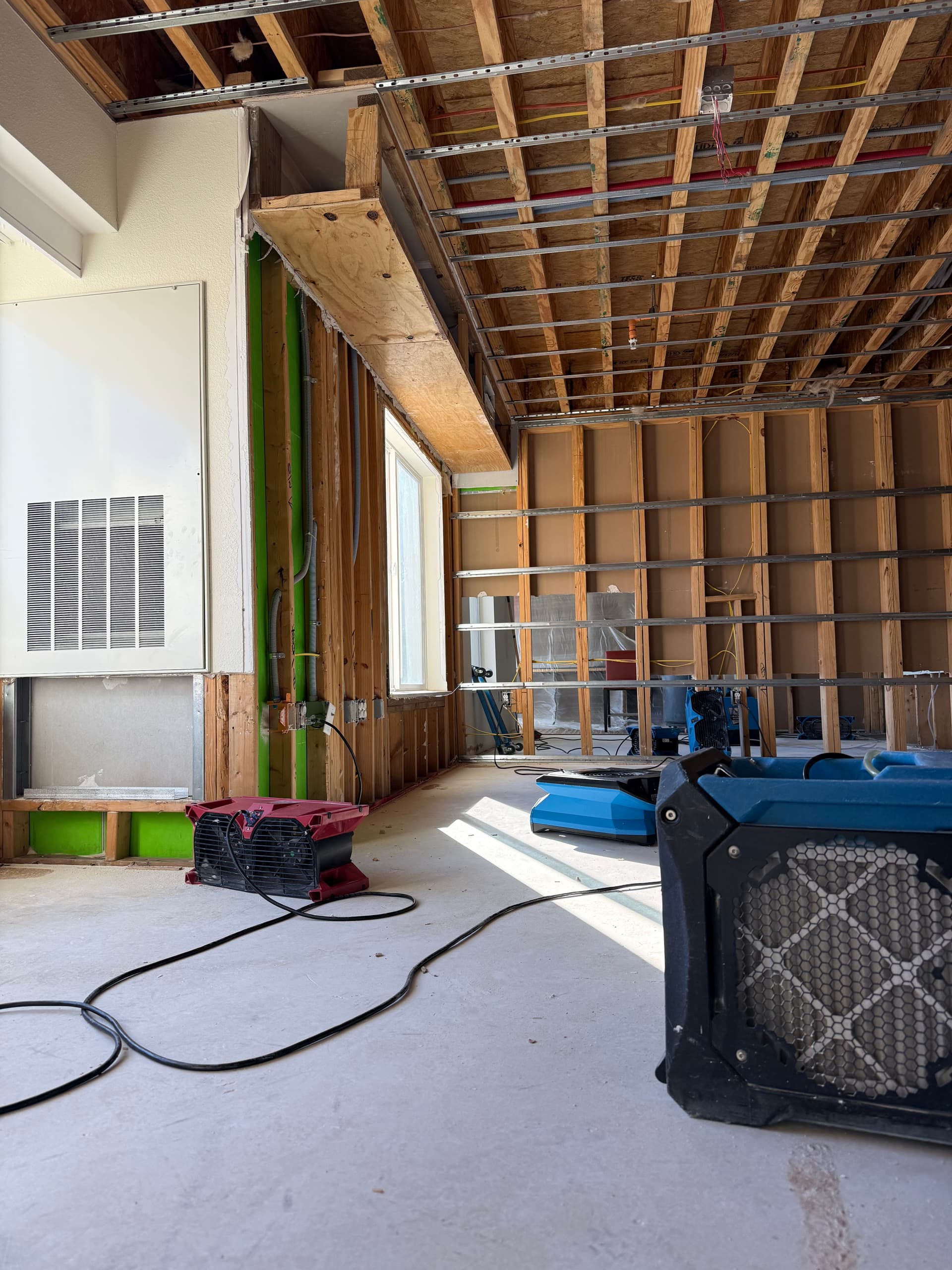
Water Damage Restoration — Charleston, SC
 Veteran Owned
Family Owned
 IICRC Certified
24/7 Available
<1 Hour Response
Local & Independent
Water Damage? Here's What to Do Right Now
If your Charleston-area property has water damage, take these steps now while we get on the road.
✓ DO These Things
- 1.Call 888-742-3085 now — we'll give you an honest arrival estimate from Columbia
- 2.Shut off your water main if the source is a supply line or pipe
- 3.Cut power to affected areas at the breaker panel before entering wet rooms
- 4.Move valuables and electronics above the water line, especially in ground-level and raised-pier homes
- 5.Photograph all visible damage before anything is moved — your insurance adjuster needs it
✗ DON'T Do These Things
- 1.Don't walk through standing water if electrical outlets or panels are nearby
- 2.Don't use a household vacuum on water — electrocution risk is real
- 3.Don't delay calling — mold colonizes wet drywall within 24 to 48 hours in Charleston's humidity
- 4.Don't tear out wet materials yourself, especially in historic homes — improper demolition can damage original materials and spreads contamination
- 5.Don't discard damaged items before your insurance company has documented them
Our Water Damage Restoration Process — Charleston, SC
1
Emergency Response Coordination
Call 888-742-3085 any time. We coordinate response for the Charleston area — the historic peninsula, West Ashley, James Island, and surrounding communities — and tell you exactly what to expect before we arrive.
2
Moisture Mapping & Assessment
IICRC-certified technicians use thermal imaging and moisture meters to map every wet zone — including under pier-raised historic homes and inside crawl spaces common throughout the Lowcountry.
3
Commercial Water Extraction
Truck-mounted and portable extractors remove standing water fast. We contain spread to unaffected rooms and prioritize structural elements that dry slowly.
4
Structural Drying & Monitoring
Industrial air movers and dehumidifiers are deployed throughout the affected area. We monitor moisture levels daily — critical in Charleston's coastal humidity, where drying takes longer than it does inland.
5
Antimicrobial Treatment & Cleaning
All affected surfaces are cleaned, sanitized, and treated with antimicrobial solutions, calibrated to the original materials in historic homes where applicable.
6
Restoration & Reconstruction
Damaged drywall, flooring, trim, and cabinetry are repaired or replaced. We restore your Charleston-area property to its pre-loss condition, coordinating with your insurance carrier throughout.
Why Charleston-Area Homeowners Choose Edmondson
Veteran Owned & Operated
Military discipline and accountability on every Charleston-area project, historic home or new construction alike.
Honest, No-Guesswork Response
Call any time and we'll give you a straight answer on timing for your Charleston property — 24/7, no canned promises.
Local & Independent
Not a franchise. A family-owned South Carolina company building a real presence in the Lowcountry, one job at a time.
Insurance Approved
We document damage thoroughly, communicate with your adjuster, and work with all major carriers to move your claim forward efficiently.
IICRC Certified
Gold-standard certifications in water damage restoration and applied structural drying, calibrated to historic construction where needed.
One Call, Full Documentation
From the first assessment through the final walkthrough, we document everything and coordinate directly with your insurance carrier — for your entire Charleston-area water damage project.
Every Hour Matters — Water Damage Spreads Fast
Mold begins colonizing wet drywall within 24 to 48 hours, faster in Charleston's humidity. Call now.
Common Causes of Water Damage in the Charleston Area
Low elevation, a high water table, and centuries of building history give Charleston a water-damage profile unlike almost anywhere else in the state.
King Tide & Heavy-Rain Street Flooding
Charleston's low elevation and high water table make tidal and heavy-rain flooding a routine occurrence on the peninsula and in low-lying surrounding neighborhoods, not just a hurricane-season concern. Water intrusion during these events often affects ground floors and crawl spaces well before any named storm is involved.
Aging Plumbing & Electrical in Historic Single Houses
Charleston's historic single houses and peninsula homes — many dating to the 1800s or earlier — carry original or early-generation plumbing that fails without warning, often inside walls where the damage goes undetected for days. Original construction wasn't built with modern vapor or moisture management in mind.
Storm Surge & Hurricane Exposure
As a direct coastal city, Charleston has a long history of hurricane impact — Hurricane Hugo in 1989 remains the benchmark storm for the region. Storm surge and wind-driven rain during tropical systems can cause significant water intrusion well beyond what inland Midlands properties typically see.
Pluff Mud & Marsh-Adjacent Drainage
Much of the Charleston area sits on or near pluff mud and marsh soil that drains poorly and holds water long after a rain event passes. Properties near marsh edges and tidal creeks see prolonged groundwater saturation that standard drainage assumptions from inland markets don't account for.
Crawl Space & Pier-Foundation Moisture
Many historic Charleston homes are raised on brick piers, originally for flood and ventilation reasons, while others sit on standard crawl space foundations. Both conditions accumulate moisture in the Lowcountry's humid climate, and pier-foundation crawl spaces in older homes are a common source of undetected water damage.
Aging Roofing on Historic Structures
Slate, standing-seam metal, and other historic roofing materials common on Charleston's older homes eventually fail, and interior water intrusion often isn't discovered until multiple rain events have passed through a compromised roof system.
Water Damage Coverage — Charleston Area
✓Charleston, SC
✓West Ashley, SC
✓James Island, SC
✓Johns Island, SC
✓North Charleston, SC
Serving the greater Charleston area — from the historic peninsula to West Ashley, James Island, and beyond. Call 888-742-3085
Water Damage Restoration FAQ — Charleston, SC
Do you have a local office in Charleston?
We coordinate service across the Charleston area today. Call to confirm coverage and scheduling for your specific property.
Do you serve historic homes on the Charleston peninsula?
Yes. Historic single houses and peninsula homes require restoration calibrated to their materials — original plaster, heart pine flooring, and pier foundations behave differently than modern construction. We assess before we scope, and we treat these properties with the care their materials require.
Is flood damage from king tides or storm surge covered by insurance?
Standard homeowner policies typically cover sudden, accidental water damage from internal sources but exclude rising flood water from outside the home — which is a real distinction in a market with Charleston's flood profile. A separate flood policy is often necessary. We work with both homeowner and flood policies and can help you understand which applies to your situation.
How long does water damage restoration take in the Charleston area?
Minor incidents like a supply line failure typically take 3 to 5 days of drying and restoration. Major flooding or Category 3 contamination can extend to 1 to 2 weeks. Charleston's coastal humidity can extend drying time compared to inland markets, and we monitor moisture levels daily until readings confirm complete dryness.
Request Water Damage Service in the Charleston Area
Fill out the form and our team will contact you immediately. For the fastest response, call us directly.
✓ Free damage assessment
✓ Insurance claims assistance
✓ Serving the Lowcountry
✓ IICRC certified technicians
Water Damage in the Charleston Area? Call Now.
Veteran-owned. IICRC certified. Serving the greater Charleston area. Call 888-742-3085.